


I used to think being a “real adult” meant mastering Excel, building budget dashboards in Notion, and using a million colorful tabs. But every time I tried to track my freelance income that way, I felt more stressed than organized. The truth? Those systems didn’t fit how I actually live and work.
So, I simplified. I created a system that’s super low-maintenance, practical, and easy to stick with. No more overwhelm. No more guilt. Just a method that works — and keeps me sane.
1. I Use Just One Banking App
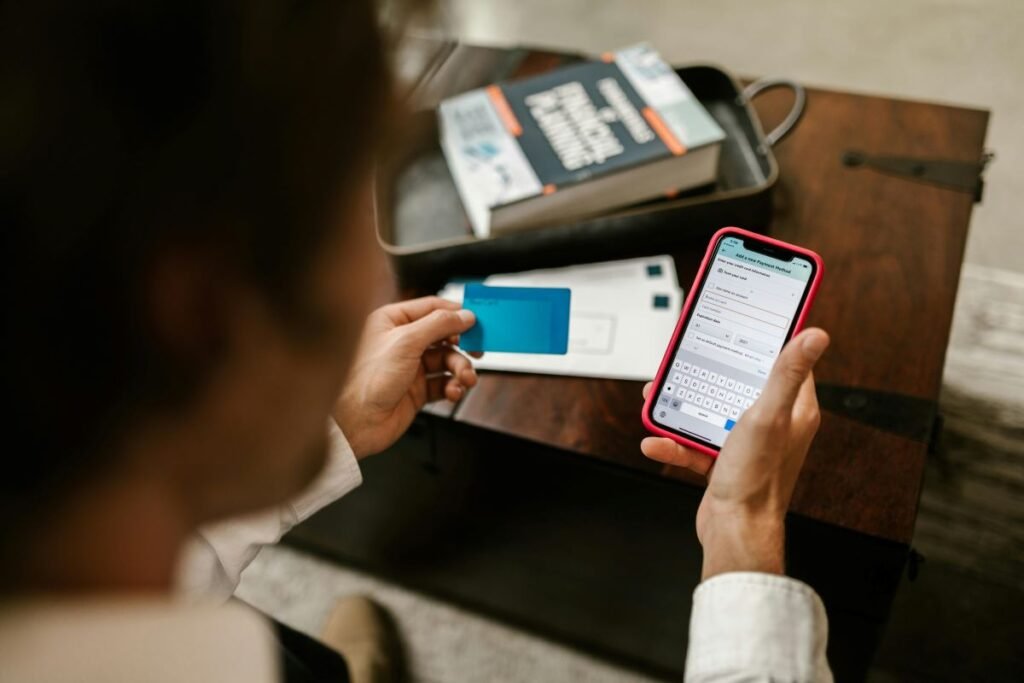
The first game-changer was opening a separate bank account just for freelance income. Before that, everything went into one messy account — groceries, client payments, streaming subscriptions, you name it. I could never tell how much I actually had for work or taxes.
Now, every freelance payment goes into its own space. I also use a banking app that lets me create sub-accounts or “pockets” for different purposes — living expenses, taxes, savings, and fun. That way, I can organize money without needing an external spreadsheet at all.
Why it works: It creates instant clarity. I know exactly what each dollar is for.
2. I Follow a 40/30/20/10 Rule
Once the money lands in my freelance account, I break it down using a simple formula:
- 40% = Living expenses (bills, groceries, rent)
- 30% = Taxes + emergency savings
- 20% = Business reinvestment (tools, software, courses)
- 10% = Fun money (yes, guilt-free coffee and weekend takeout!)
My banking app auto-transfers these percentages into sub-accounts, so I never have to think about it. No manual calculations. No decision fatigue.
Why it works: It keeps my finances balanced without overthinking — and ensures I never forget to save for taxes.
3. I Track Income in a Notes App
Forget formulas, graphs, or complex dashboards. I track income using the Notes app on my phone. Each month, I create a list like this:
- Client name
- Amount paid
- Date received
That’s it. No categories, no codes. If I need to look back or calculate how much I earned in a certain month, it’s all there in plain text.
Why it works: It’s accessible, quick, and doesn’t feel like a chore.
4. I Pay Myself a “Salary”
Even though freelance income fluctuates from month to month, I still wanted some consistency in my personal life. So I decided to pay myself a fixed salary from my freelance account every month — just like a regular paycheck.
If I make more than that in a given month, I leave the rest in the freelance account as a buffer. If I earn less one month, I use the surplus from previous months to make up for it.
Why it works: It stabilizes my lifestyle and prevents emotional spending based on income highs and lows.
5. I Review Monthly, Not Daily

Daily budget tracking didn’t work for me. It felt like homework. Now, I do a monthly review. I make a cup of tea, sit down with my notes and bank app, and ask myself:
- How much did I earn this month?
- Did any client pay late?
- Is there a tool or course I want to invest in soon?
That’s it. No stress, no guilt. Just a calm check-in.
Why it works: It helps me stay aware and intentional — without letting money dominate my daily mindset.
Small shifts made a big difference. I stopped trying to make complex systems work for me and started building one that actually fit how I live. I don’t dread money stuff anymore. I check in once a month, stay on top of things, and feel more in control — without the burnout. Simple really can be smart.
GIPHY App Key not set. Please check settings