


Dreaming of turning your passion for travel into a profitable blog? Whether you’re a globetrotting adventurer or a weekend explorer, launching a travel blog in 2025 is easier than ever — if you follow the right steps.
In this ultimate guide, we’ll walk you through exactly how to create a travel blog that stands out, grows an audience, and earns income — even if you’re starting from scratch.
Step 1: Define Your Niche and Voice

Not all travel blogs are created equal. The most successful ones focus on a clear niche and a unique voice.
Ask yourself:
- What type of travel do I love most? (e.g., budget travel, solo female travel, digital nomad lifestyle, luxury escapes)
- Who am I writing for?
- What kind of stories and experiences can I uniquely share?
Niche = focus. And focus = faster growth.
Step 2: Pick a Blog Name and Domain
Your blog name should be:
- Memorable and easy to spell
- Relevant to your travel niche
- Available as a .com domain
Use tools like Namecheap or GoDaddy to secure your domain. You can also check social handles to keep branding consistent across platforms.
Pro tip: Don’t overthink the name — just make sure it’s clear, brandable, and easy to say.
Step 3: Set Up Hosting and WordPress
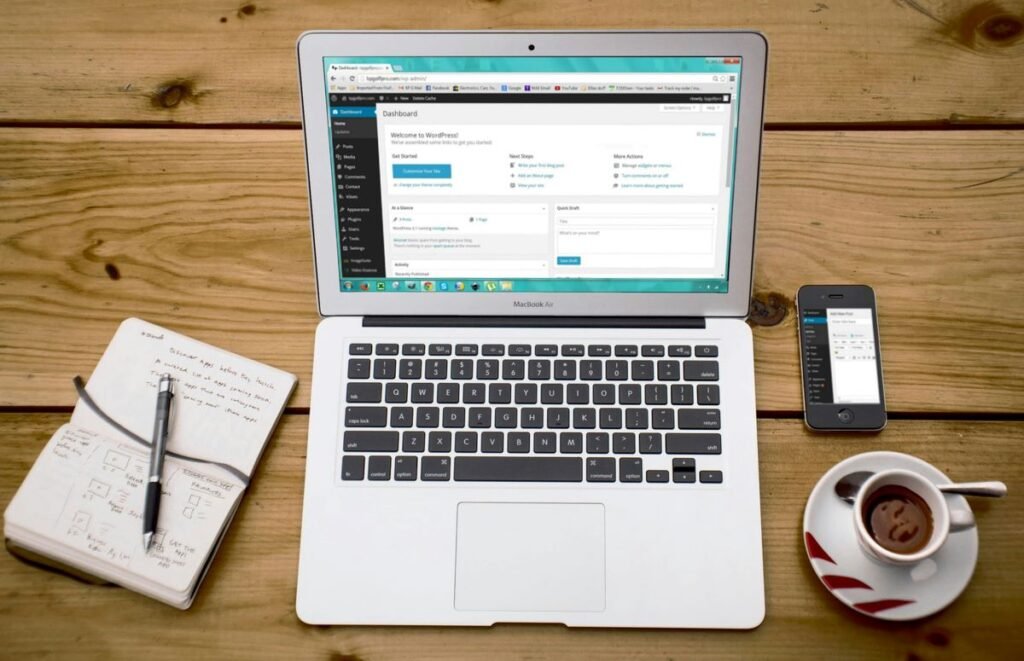
Here’s the tech part — but don’t worry, it’s simpler than it sounds.
Hosting Options:
- Beginner-friendly: Bluehost, SiteGround, or Hostinger
- Scalable for growth: Cloudways or WPX Hosting
Once your hosting is set up, install WordPress (most hosts offer 1-click install). This gives you full control, customization, and SEO power.
Avoid free platforms like Wix or Blogger — they’re limiting for growth and monetization.
Step 4: Choose a Professional Theme and Essential Plugins
Choose a WordPress theme that’s:
- Mobile-responsive
- Fast-loading
- Easy to customize (e.g., Astra, Kadence, or GeneratePress)
Must-have plugins:
- Yoast SEO – for search optimization
- WPForms – for contact forms
- WP Rocket or W3 Total Cache – for speed
- UpdraftPlus – for backups
- Rank Math (alternative to Yoast) – SEO tracking
Step 5: Create Foundational Pages
Before launching, write these core pages:
- About – Your story and blog’s mission
- Contact – How people can reach you
- Start Here – A roadmap for new readers
- Travel Resources – Affiliate-friendly recommendations
- Privacy Policy and Disclosure – Especially if you plan to monetize
Step 6: Write and Publish Evergreen Content
Don’t launch with an empty blog! Start with 5–10 solid posts, such as:
- “Complete Guide to Backpacking Southeast Asia”
- “Best Travel Gear for Digital Nomads”
- “How to Book Cheap Flights That Actually Work”
- “My 3-Week Itinerary in Italy (With Budget Tips)”
- “Solo Travel Safety Tips You Need to Know”
Focus on content that solves problems and inspires your readers.
Step 7: Set Up SEO and Analytics

Search Engine Optimization (SEO) is how people will find your blog on Google.
To get started:
- Use Google Search Console and Google Analytics
- Install Yoast or Rank Math
- Do basic keyword research using tools like Ubersuggest or Keywords Everywhere
- Write SEO-friendly titles, meta descriptions, and internal links
If your post helps someone search smarter, Google will reward you.
Step 8: Promote Your Blog the Smart Way
Once your content is live, get eyes on it.
Top ways to promote:
- Pinterest – still a goldmine for travel traffic
- Instagram Reels – great for visual storytelling
- Facebook Groups – engage in travel-related communities
- Guest posts or collabs – borrow audiences
- Email list – build one early with a lead magnet (like a free packing checklist)
Step 9: Monetize Strategically
Once you’ve built content and traffic, you can monetize with:
- Affiliate marketing (Amazon, Booking.com, GetYourGuide)
- Display ads (Google AdSense, Mediavine, Ezoic)
- Sponsored posts and partnerships
- Digital products (eBooks, itineraries, courses)
- Freelance travel writing or consulting
Monetization takes time — focus on trust and traffic first.
Step 10: Stay Consistent and Evolve
Your blog is a long-term project. Stay consistent with content, track your growth, and evolve as your audience grows.
Use tools like:
- Trello or Notion – for editorial planning
- Canva – for graphics and Pinterest pins
- Grammarly – for clean writing
Final Thoughts: Start Simple, Stay Consistent, Share What You Love
You don’t need to be a tech wizard or full-time traveler to build a successful travel blog — you just need to start, stay consistent, and speak from the heart.
Whether you want a side hustle, a creative outlet, or a path to full-time income, blogging can take you places.
So grab your domain, pack your passion, and hit publish. The world is waiting.
GIPHY App Key not set. Please check settings