

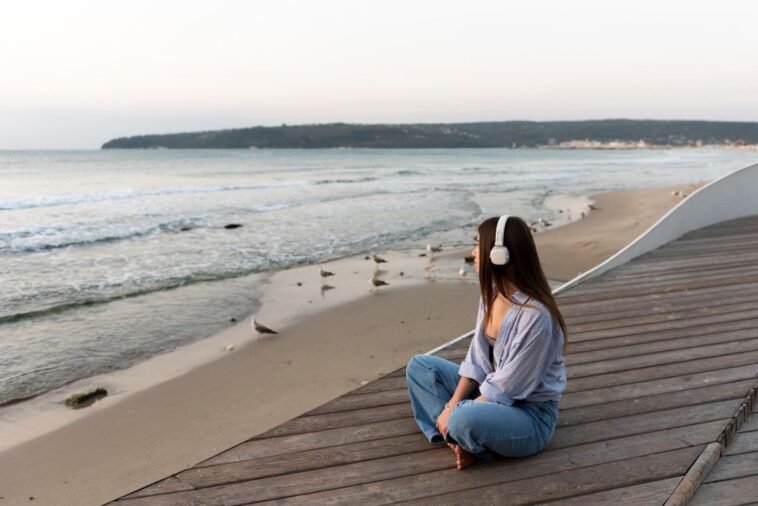
In a world where therapy sessions, wellness retreats, and mindfulness apps can come with a hefty price tag, many people assume that taking care of their mental health requires money. But the truth is: some of the most powerful habits for supporting your mental well-being are completely free — and you can start them today.
Whether you’re managing stress, dealing with anxiety, or simply trying to improve your emotional resilience, these affordable (often zero-cost) mental health habits can make a big difference.
1. Start a Simple Journaling Practice

You don’t need a fancy notebook or guided prompts to start journaling. Just grab a piece of paper and write. Studies show that expressive writing helps process emotions, reduce anxiety, and even improve mood.
Try this:
- Write down 3 things you’re grateful for each morning
- Reflect on one challenge and how you’re coping with it
- Do a brain dump before bed to clear mental clutter
It’s free therapy in your own handwriting.
2. Take Mental “Reset” Walks (No Phone Allowed)

A short walk — even 10 minutes — can be a powerful way to reset your brain and mood. Add nature, and the benefits multiply. But here’s the key: go without distractions.
Why it works:
- Reduces cortisol (stress hormone)
- Improves focus and creativity
- Encourages mindfulness and present-moment awareness
Use this time to tune into your senses, not your screen.
3. Practice One-Minute Deep Breathing

You don’t need 30-minute meditations or expensive classes. A few deep breaths can significantly lower anxiety and help you regain calm.
Try this simple method:
- Inhale slowly for 4 seconds
- Hold for 4 seconds
- Exhale slowly for 6 seconds
- Repeat for 1–3 minutes
It’s a fast, portable tool for calming your nervous system anytime, anywhere.
4. Create a Low-Stimulation “Calm Corner”

Designate a small space at home where you can go when you’re feeling overwhelmed. It doesn’t have to be fancy — just somewhere quiet and comforting.
Include:
- A cozy blanket or cushion
- A book, journal, or calming object
- Low light or natural light
This gives your mind a safe space to decompress without spending a dime.
5. Reduce Digital Overload
Endless scrolling, notifications, and news can drain your mental energy. Creating digital boundaries helps you reconnect with yourself and your surroundings.
Easy, affordable digital detox tips:
- Turn off non-essential notifications
- Set phone-free hours (especially before bed)
- Use grayscale mode to reduce screen appeal
Protect your attention like it’s your most valuable asset — because it is.
6. Practice Saying “No” Without Guilt
Boundaries are free — and they’re one of the healthiest things you can give yourself. Learning to say no can reduce burnout, improve relationships, and preserve emotional energy.
Start small:
- Decline one unnecessary commitment this week
- Delay your response with: “Let me check and get back to you”
- Remind yourself: saying no to others is saying yes to yourself
7. Write (or Voice Record) Your Thoughts
Can’t afford therapy right now? Try talking to yourself — seriously. Voice notes or recorded reflections help you process thoughts and hear your own needs clearly.
Ideas:
- Record how your day felt
- Reflect on what’s been stressing you
- Talk through a decision out loud
You might be surprised how healing it feels to hear yourself with compassion.
8. Prioritize Consistent Sleep and Wake Times

Sleep is one of the most underrated mental health habits — and it’s completely free. Sticking to a consistent sleep schedule improves mood, focus, and stress resilience.
Sleep hygiene tips:
- Go to bed and wake up at the same time daily
- Avoid screens 1 hour before sleep
- Keep your room dark, cool, and quiet
Think of sleep as your brain’s nightly reboot.
9. Engage in Small Acts of Kindness
Helping others improves your own emotional well-being. And it doesn’t have to cost a thing — just a little intention.
Free ways to give:
- Compliment a stranger
- Offer to listen without judgment
- Send a kind text to someone who’s struggling
Generosity is a natural mood booster — and completely free.
10. Talk It Out — With Someone You Trust

While therapy is great, not everyone can afford it. Talking to a friend, family member, or support group can offer connection and relief.
Tips:
- Let them know you just want someone to listen
- Be honest about how you’re feeling
- Don’t be afraid to ask for support
Connection is a core need — and one of the most powerful antidotes to emotional struggle.
Conclusion: Mental Health Support Doesn’t Have to Be Expensive
You don’t need a perfect routine, fancy tools, or premium subscriptions to care for your mental health. You just need small, consistent actions that support your emotional well-being — and most of them don’t cost a thing.
Start where you are. Choose one or two habits from this list. Build from there. Over time, you’ll feel more balanced, centered, and in control — naturally.
GIPHY App Key not set. Please check settings